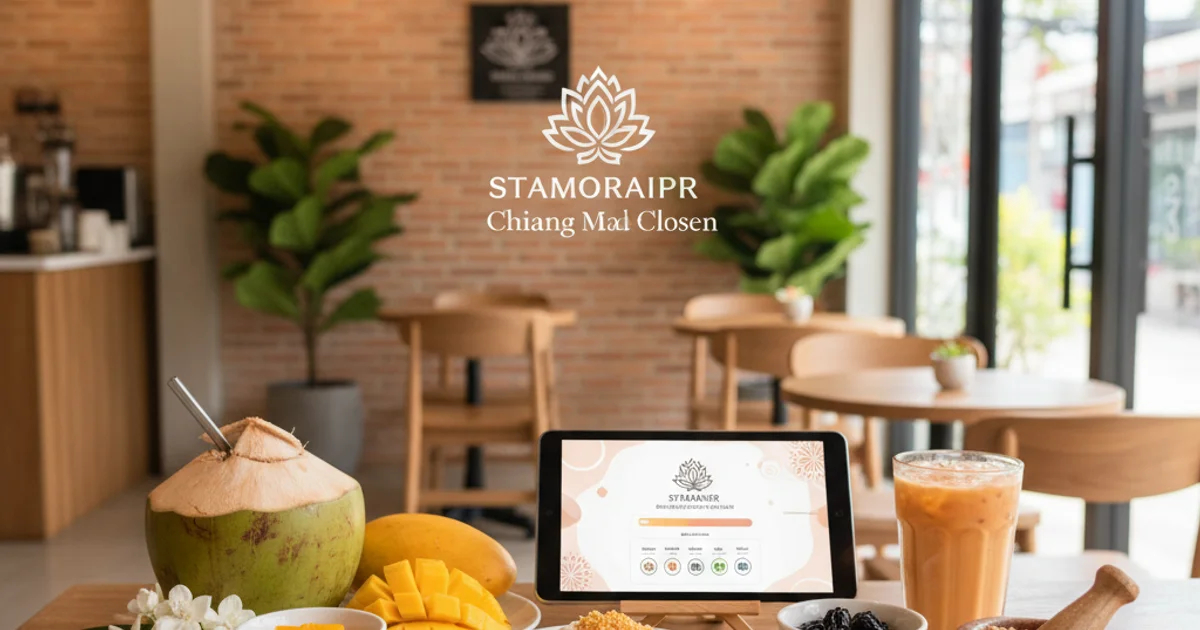
The dessert scene in Thailand's cultural capital tells a fascinating story about customer loyalty. According to industry research, top restaurant operators now drive up to 37% of their transactions through loyalty program members — and in Chiang Mai's competitive dessert landscape, that percentage can make the difference between thriving and merely surviving.
Walk through the Old City or along Nimmanhaemin Road, and you'll see why dessert shops here need every advantage they can get. Tourist zones command premium pricing, but locals know where to find authentic mango sticky rice at half the cost. Digital nomads cycle through favorites monthly, while Thai families stick to generational traditions. In this environment, a simple stamp card system isn't just about rewards — it's about creating genuine connections that transcend the tourist-local pricing divide.
Why Chiang Mai Dessert Shops Are Embracing Digital Loyalty
Digital stamp cards solve three problems unique to Chiang Mai's dessert market. First, they bridge the language gap that paper cards create between Thai staff and international customers. Second, they work seamlessly during Buddhist dietary days (jay) when menu rotations affect regular ordering patterns. Third, they provide data insights that help owners understand whether their customer base skews tourist, expat, or local — crucial for pricing and inventory decisions.
A digital loyalty system captures customer preferences across seasonal menu changes. When your regular customer who loves coconut ice cream visits during mango season, the system remembers their usual order and can suggest similar flavor profiles. This personalization creates the kind of service that turns occasional visitors into advocates who recommend your shop in digital nomad Facebook groups.
The messaging advantage is equally compelling. A loyalty platform that reaches customers by email, app push and a wallet card that updates ensures no customer falls through the cracks, whether they're a local university student or a remote worker from Germany.
Answer: Digital stamp cards eliminate language barriers, adapt to cultural dining patterns like jay days, and provide customer insights that help dessert shops optimize for Chiang Mai's mixed tourist-local market.
Setting Up Your First Digital Stamp Card Campaign
The foundation of any successful dessert shop loyalty program starts with understanding your customer journey. In Chiang Mai, that journey often begins with discovery through Instagram or Google Maps, followed by a first visit that's either impulse (walking past) or planned (specific craving).
Your stamp card structure should reflect local spending patterns. A 10-stamp card works well for higher-priced artisanal dessert shops near Maya Mall, while a 6-stamp card suits neighborhood operations where customers visit multiple times per week. The key is matching the reward threshold to realistic visit frequency, not copying what works for coffee shops or restaurants.
Reward selection requires cultural sensitivity. Free desserts work universally, but percentage discounts can confuse tourists unfamiliar with Thai pricing. Clear, visual rewards like "Free Mango Sticky Rice" or "Complimentary Thai Tea" translate better than "20% off next visit." Consider offering both premium rewards (expensive desserts) and convenience rewards (skip the queue during busy periods).
Mobile-first design is non-negotiable. Your stamp card must work flawlessly on phones with spotty WiFi connections and in direct sunlight. The QR code needs to scan quickly even when displayed on cracked phone screens — a common reality among budget travelers and local students.
Answer: Successful digital stamp cards for Chiang Mai dessert shops require 6-10 stamp thresholds matched to local visit frequency, clear visual rewards that work across language barriers, and mobile-optimized designs that function reliably in Thailand's connectivity conditions.
Automating Customer Engagement Through Email and Push
Email and app push automation transforms one-time dessert buyers into regular customers through strategic messaging that feels personal, not promotional. The key lies in timing and cultural context — messages that work during Songkran festival might fall flat during the rainy season when foot traffic drops.
Milestone celebrations drive the highest engagement rates. When a customer earns their fifth stamp toward a free dessert, an automated message acknowledging their progress creates anticipation for the next visit.
Birthday campaigns require localization beyond simple translation. Thai customers often celebrate with groups, making "bring a friend for 50% off" more effective than individual birthday discounts. International customers might prefer private celebrations, responding better to "exclusive birthday treat" messaging. Your automation system should segment based on phone number country codes and tailor accordingly.
Seasonal messaging aligns with Thailand's unique calendar of food traditions. During Loy Krathong, dessert shops see increased demand for traditional sweets alongside modern creations. Automated campaigns that highlight both options — "Traditional Thong Yip or Modern Matcha Mochi" — capture diverse customer preferences while showing cultural awareness.
Answer: Effective email and push automation for Chiang Mai dessert shops requires culturally-aware milestone messaging, birthday campaigns segmented by customer origin, and seasonal promotions that blend traditional Thai desserts with modern offerings to serve diverse customer bases.
Measuring Success: Analytics That Matter for Dessert Shops
The metrics that matter for dessert shops differ significantly from other food businesses. Average order value fluctuates wildly based on group size and occasion — a solo customer ordering mango sticky rice represents different success than a family sharing multiple desserts. Focus on frequency metrics and customer lifetime value instead.
Repeat visit rate reveals the health of your loyalty program better than total revenue. In Chiang Mai's dessert market, a 40% repeat rate indicates strong local following, while rates below 25% suggest over-dependence on tourist traffic. Track this metric separately for different customer segments to identify which groups drive sustainable growth.
Seasonal patterns provide crucial insights for inventory and staffing decisions. Digital nomads peak during cool season (November-February), while local customers maintain steadier patterns year-round. Thai university students create predictable spikes around exam periods and holidays. Your loyalty platform should highlight these patterns automatically.
Geographic data helps optimize marketing spend. Customers from Nimman might respond to Instagram ads, while Old City visitors often discover shops through walking tours. Understanding these patterns allows targeted promotions that maximize return on marketing investment while building genuine community connections.
Answer: Dessert shop analytics should prioritize repeat visit rates over average order value, track seasonal patterns across customer segments (tourists, expats, locals), and analyze geographic data to optimize location-specific marketing strategies for sustainable growth.
Integrating with Existing POS Systems
Modern dessert shops need loyalty systems that complement, not complicate, their existing operations. The best digital stamp cards work alongside your current POS system without requiring expensive integrations or staff retraining. This complementary approach means your team can focus on creating amazing desserts while technology handles customer engagement automatically.
Staff training becomes minimal when loyalty systems operate independently. Cashiers simply mention the program at checkout and help customers scan the QR code. No complex button sequences, no system crashes during busy periods, no lost transactions when internet connections fluctuate — common challenges in Chiang Mai's infrastructure environment.
The independence model offers flexibility that integrated systems can't match. When you upgrade your POS system or switch providers, your customer loyalty data and relationships remain intact. This protection is especially valuable for growing dessert shops that might outgrow their current systems as they expand or add new locations.
Cost control becomes predictable with standalone loyalty platforms. Instead of paying percentage fees on every transaction, you invest in customer relationship building at a fixed monthly rate. For dessert shops with thin margins, this pricing model allows better financial planning and higher profitability as customer volume grows.
Answer: The most effective loyalty systems for dessert shops work alongside existing POS systems without integration, requiring minimal staff training and offering protection against system changes while maintaining predictable costs that support thin-margin dessert business models.
Building Community Around Your Dessert Brand
Successful dessert shops in Chiang Mai become community gathering places, not just transaction points. Digital loyalty programs support this transformation by creating connections that extend beyond individual purchases. The goal shifts from maximizing single transactions to building relationships that generate consistent, long-term value.
User-generated content emerges naturally when customers feel valued. A well-designed loyalty program encourages photo sharing and social media engagement without feeling forced. Customers who earn rewards for bringing friends create organic marketing that resonates more authentically than paid advertising, especially in Chiang Mai's close-knit expat and local communities.
Referral systems work particularly well in Thailand's relationship-based culture. When satisfied customers recommend your dessert shop to friends, they're sharing more than business information — they're extending social connections. Digital platforms can track and reward these referrals automatically, strengthening both customer relationships and community bonds.
Local partnerships multiply community impact. Collaborate with nearby cafes, bookstores, or co-working spaces to create cross-promotional opportunities. Customers who frequent multiple community businesses appreciate loyalty programs that recognize their broader neighborhood engagement, creating deeper local roots for your dessert shop.
Answer: Community-building through digital loyalty involves encouraging authentic user-generated content, implementing referral systems that leverage Thailand's relationship culture, and creating partnerships with neighboring businesses to strengthen local community connections and customer retention.